
There’s a role many capable Mums slide into without ever consciously choosing it. This article explores how it happens, why it keeps responsibility pooling around you, and the first simple shift that begins moving it.
You’ll learn:
Why “Household Google” becomes so easy — even though it was never a deliberate choice
How holding all the knowledge quietly grows your Motherload (and keeps you as the default)
Why “just stop doing it” backfires — and what actually shifts responsibility
- The first simple step that moves knowledge out of your head and into your home

There’s a role many capable Mums slide into without ever consciously choosing it.
No application. No discussion. No official handover.
And yet somehow, you wake up one day and realise you’ve become the default for everything.
If that feels uncomfortably familiar, there’s a very easy way to confirm it.
Pause for a moment and listen to the soundtrack in your house.
Does it sound something like:
“Hey… Muuuum?”
The same tone people use to say, “Hey Google… what’s the weather today?” except in your house it’s:
- Hey Mum, where are my socks?
- Hey Mum, what time’s training again?
- Hey Mum, do we have more milk?
It’s not just questions. It’s reliance.
You’ve become your home’s human search engine. The keeper of the answers. The one who knows where things are, what’s happening next, what needs buying, signing, remembering.
And here’s the part most of us rarely acknowledge — you didn’t mean for this to happen.
It built quietly because you’re capable. Fast. Efficient. You answer questions. You solve things. You remember details. So over time, everyone learned something simple and logical – just ask Mum.
And without a meeting, without a conversation, without a deliberate choice, you became the default.
Why Responsibility Quietly Pools Around You
Here’s the truth.
As long as the knowledge lives with you, the responsibility will too.
When one person holds all the answers, everyone else gradually steps out of responsibility. Not because they’re lazy. Not because they don’t care. But because responsibility naturally sits with the person who holds the information.
If you’re the one who knows when the forms are due, what’s running low in the pantry, which day the bins go out and how the washing “should” be done, then something very predictable happens.
Everyone else learns that you are the reference point.
And so they ask you.
Over time, this creates a quiet shift in the household dynamic. Others stop tracking what’s coming up. They stop anticipating what needs doing. They stop building their own awareness of how things run.
Meanwhile, your awareness sharpens. Because you’re holding it all.
This is how the Motherload grows.
Not just in the number of tasks you carry, but in mental tabs left permanently open. In the constant background tracking. In the invisible responsibility of knowing.
And this is where the impact stretches beyond laundry and lunchboxes.
When you’re the default at home, your business isn’t simply competing for time. It’s competing with the mental weight of being the one who holds everything together.
Why “Just Stop Doing It” Doesn’t Work
It’s often at this point — when you realise how much you’re carrying — that well-meaning advice starts to surface.
If you’ve ever voiced your frustration about being the default, and how simply asking for help doesn’t acually change the situation, you’ve probably heard something like:
- Just stop doing it.
- Drop the ball — they’ll soon notice it’s not done.
- Let them figure it out.
On the surface, that advice sounds empowering. Take your power back. Stop over-functioning. Force change.
But here’s where it unravels.
When you drop the task without transferring the knowledge, you’re not creating shared responsibility — you’re creating confusion for them, and more work for yourself.
You step back. Something gets missed. You step back in.
And the unspoken narrative in the household strengthens itself:
See? Mum has to do everything.
Not because your family is incapable.
Not because they don’t care.
But because the system hasn’t changed.
If all the information about how things run still lives in your head — the timing, the standards, the sequence, the invisible “don’t forget this” details — then there’s nothing solid for anyone else to stand on.
Responsibility can’t shift if knowledge hasn’t shifted first.
This isn’t a motivation problem.
It’s a systems gap.
Shared responsibility isn’t about withdrawing care. It’s about redistributing knowledge in a way that allows other people to genuinely carry something — without it boomeranging back to you.
It requires a different kind of leadership.
Where Shared Responsibility Actually Begins
That leadership begins here.
Not with a dramatic withdrawal.
Not with a household announcement.
But with knowledge transfer.
Choose one recurring task that currently lives entirely in your head.
One thing everyone else has to ask you about.
The dishwasher routine.
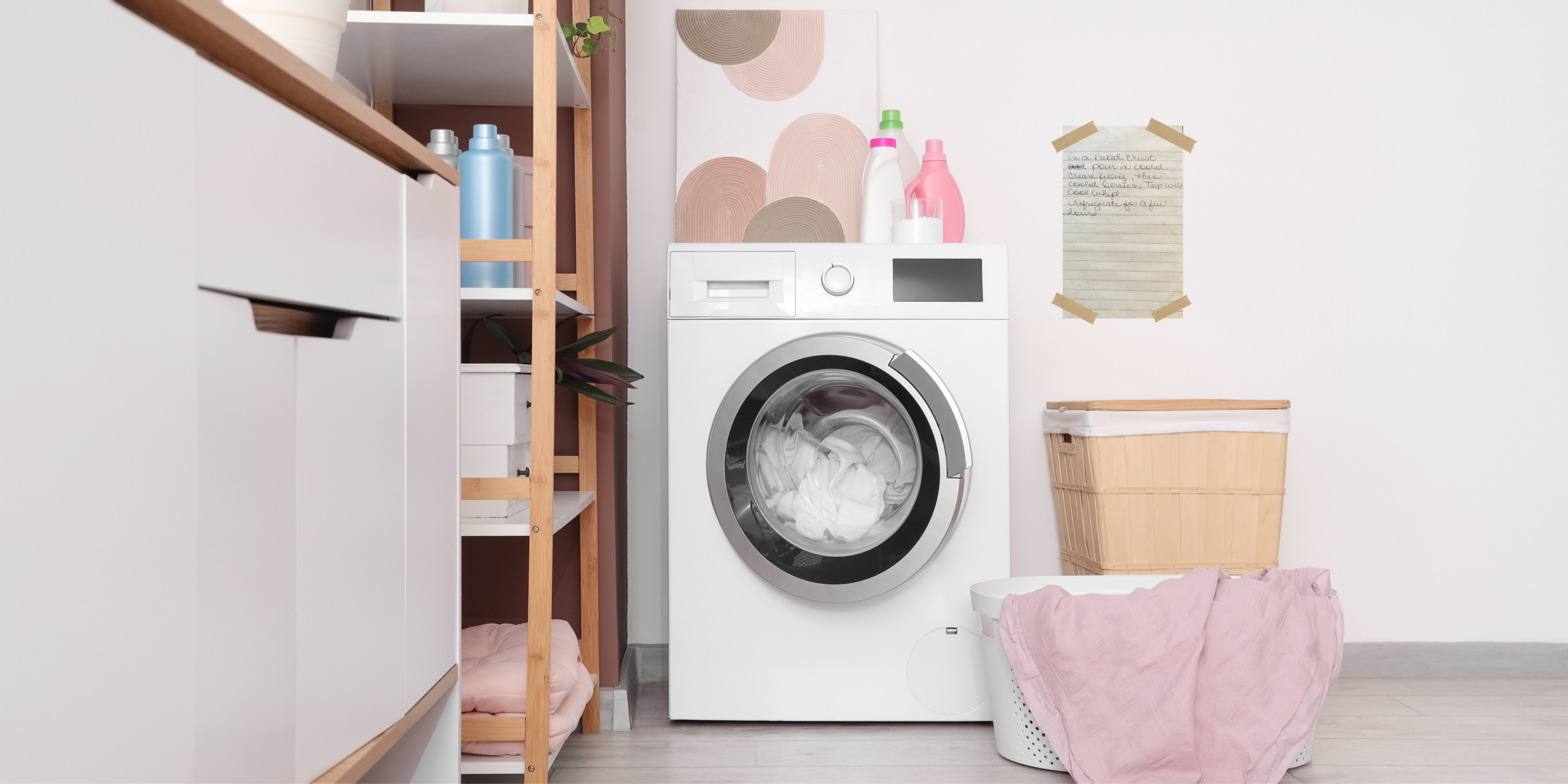
The laundry process.
The “how we get out the door on time” sequence.
Then take ten minutes and write down what you know.
The steps.
The timing.
The small details you’ve internalised without even realising.
Create a simple answer sheet.
Not a corporate SOP. Not a colour-coded chart.
Just clear, visible instructions placed where the task actually happens — on the inside of the pantry door, next to the washing machine, by the dishwasher.
This is how responsibility begins to shift.
Because when the knowledge is no longer locked in your head, there’s somewhere else for people to look before calling out, “Hey Muuuum?”
And that’s the moment the dynamic starts to change.
Who You Get to Be Instead
-When the knowledge begins to move out of your head and into the household, something subtle shifts.
The dynamic changes, and with it a deeper question tends to surface.
Who are you if you’re not the default?
If you’re not the central processing unit of your home…
If you’re not the only one tracking what needs doing…
If you’re not the safety net holding all the knowledge…
Who do you get to be instead?
Because while being the Household Google can be frustrating, it can also help you feel important. Needed. In control. Like this is how it’s supposed to be.
It’s okay to feel unsettled by that.
Stepping out of the Household Google role doesn’t mean you care less — it means you care enough to protect your own head-space and trust that your family can step up too.
This is what leading differently looks like.
Instead of being the system, you become the sharer of the system.
Instead of being the reminder, you create reminders that no longer rely on you.
Instead of carrying the Motherload alone, you allow it to become a shared responsibility.
And as that begins to shift, something else shifts too.
You get your head-space back.
You get your energy back.
You get the chance to focus on your business so it stops feeling like the neglected third child.
This isn’t about disappearing from your family.
It’s about no longer being the only search bar in the house.
And when you’re not the default for everything… you can actually see what’s been living in your head all this time, and begin to shift it – deliberately.
So you finally get to choose where to focus your time, energy and head-space.
Because shares responsibility isn’t the end goal – it’s the gateway.
Ready to see what you’ve really been carrying, Mum?
If this post felt a little too familiar… you’re not imagining it.
When everything lives in your head, it’s almost impossible to see the full weight of what you’re holding — let alone shift it.
That’s exactly why I created this — a simple, eye-opening way to map out what’s currently sitting with you… so you can start moving it out of your head and into your home.
No overwhelm.
No colour-coded charts.
No “just stop doing it” advice.
Just clarity — and a starting point that actually works.
Pop your details in below and I’ll send it straight to you: