
The question so many mums ask — and the part no one explains
You’ll learn:
Why the “my partner is hopeless” story makes so much sense — and what it’s really pointing to
How invisible responsibility quietly shapes behaviour at home
- Why pushing harder or caring less doesn’t create lasting change
The alternative no one talks about — shared responsibility without rage, guilt, or blowing up your relationship

I was at a networking event recently, chatting with another mum in business.
New connection. Easy conversation. The usual “what do you do?” back and forth.
And then, quietly, almost apologetically, she said:
“What if my partner’s just… hopeless?”
Not angry.
Not dramatic.
Just tired.
It wasn’t really a question, either. It was more like she was trying to name something she’d been living with for a long time.
Because when you’ve asked, reminded, explained, re-explained, and still find yourself carrying the bulk of the household — eventually your brain looks for a conclusion.
Maybe this is just how it is.
Maybe this is just who they are.
Maybe I’m on my own here.
And honestly? That makes a lot of sense.
Why so many capable mums land on this conclusion
When nothing changes, we assume it can’t.
You’ve likely tried:
asking for help (and then explaining how to do it)
delegating (and then fixing it)
reminding (and then resenting it)
doing it yourself “because it’s quicker”
Over time, something sneaky happens.
The household starts running on your knowledge.
Your awareness.
Your remembering.
Your anticipating.
You become the one who knows what needs doing, when, and how.
And when one person holds all of that, everyone else looks… incapable.
So the story becomes:
“They’re just hopeless.”
Not because it’s true — but because it’s the most painless explanation available.
Because if they’re hopeless, at least you’re not waiting for change that never comes.
The trap mums think they’re stuck in
Most mums I work with believe there are only two options.
Option one:
Put up with it.
Carry the Motherload.
Lower expectations.
Tell yourself “this is just what life as Mum is.”
Option two:
Blow it up.
Ultimatums.
Anger.
Threats.
Leaving.
Neither option feels good.
One leads to quiet resentment and burnout.
The other risks burning down a life you actually care about.
And so many women stay frozen right there — not because they’re weak, but because those options both feel awful.
But here’s the part no one explains:
Those are not the only two choices.
The quiet question no one wants to ask
Sometimes I invite women to gently imagine something.
Not as a threat.
Not as pressure.
Just as a mirror.
Picture yourself 20 years from now.
Still being the one who remembers everything.
Still being the one whose brain never really switches off.
Still explaining your partner away with, “They’re just hopeless.”
For some women, leaving isn’t even an option — money, kids, stability, safety all matter. And that makes finding another way even more important.
The real question isn’t:
“Is my partner hopeless?”
It’s:
“Is this the future I want to quietly consent to?”
If I could speak to the ‘hopeless’ partner for five minutes…
If I could talk to the so-called “hopeless” partner, I’d say this:
“You probably don’t realise how often your partner explains you away to strangers.
You don’t see the moments she wonders whether this is all there is.
You think things are fine because they’re functioning — but functioning isn’t the same as sustainable.”
Most partners don’t want to lose their relationship.
They just don’t understand what’s actually at stake until it’s almost gone.
And by then, it’s often too late.
But it doesn’t have to get there.
Why anger won’t fix this (and why I don’t teach it)
There’s a lot of content out there designed to fire women up about this stuff.
And I get why — anger feels powerful when you’ve been carrying too much for too long.
But unvented rage doesn’t create shared responsibility.
It creates defensiveness.
More checking out.
More policing.
More disconnect.
That’s not the family life most mums actually want.
I have no interest in blowing up households.
I’m not here to turn women into PoliceMums or relationships into battlegrounds.
I work with the situations people think are unfixable.
The partners who “don’t budge”.
And the truth?
They do.
Quietly.
When the system changes.
What if it’s not hopeless — just mis-designed?
Most of these situations aren’t about character, or personality.
They’re about invisible responsibility.
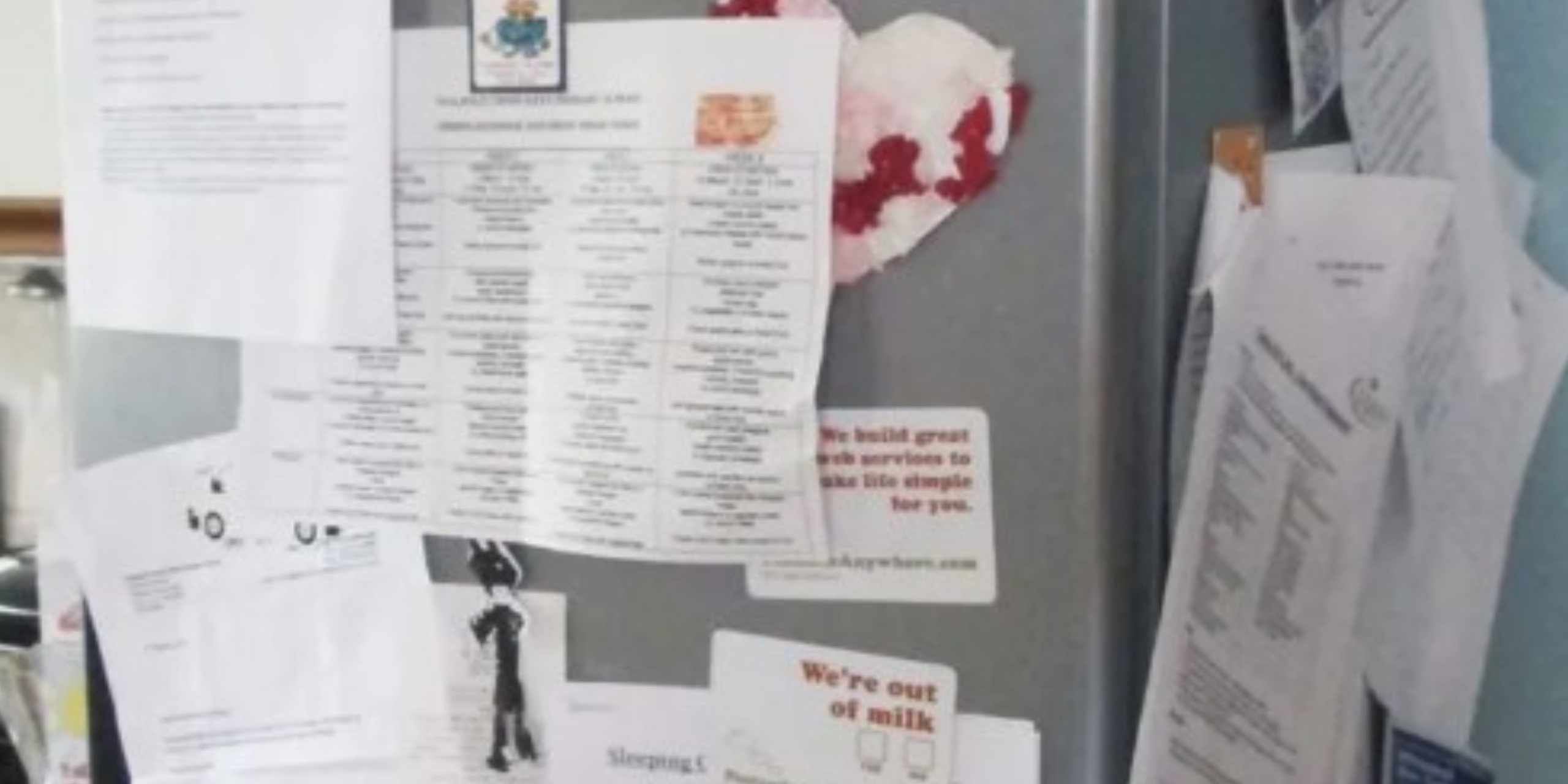
Invisible responsibility is still responsibility.
When one person holds all the knowledge, the planning, the remembering — everyone else stays dependent.
Change doesn’t come from nagging harder.
Or caring less.
Or burning everything down.
It comes from shifting how responsibility actually works inside the household.
And when that shifts, things move — without ultimatums, without drama, without anyone being shamed.
There is another way

You’re not broken. The system just isn’t working.
If this question — What if my partner’s just hopeless? — has been sitting in your chest for a while, I want you to hear this clearly:
You don’t have to decide anything today.
You don’t have to confront anyone tonight.
You’re not broken for feeling this way.
But this also doesn’t have to be your forever.
There is another way to create shared responsibility — one that’s supported, sustainable, and doesn’t blow up the life you’re trying to hold together.
That’s exactly why Motherload Mosh Pit Month exists — to support real households, real dynamics, real humans.
Small shifts. Real support. No rage required.
real households, real dynamics, real humans
You don’t have to do this alone.

Want weekly ideas for what to do instead?
If this post made something click and you’d love gentle, practical ways to build shared responsibility (without charts, bribes or burnout), you’re welcome to join my weekly newsletter.
It’s where I share:
• real household shifts
• simple mindset flips
• and ways to stop carrying everything alone
Pop your email in below ↓