
It always starts with good intentions… so why do so many chore charts end up abandoned?
You’ll learn:
Why chore charts never create the relief they promise
How rewards and charts unintentionally keep Mum as Household Google
- The difference between compliance and genuine responsibility
What helps Mum move from “managing them all” to just one of the team
For years, I thought the problem was me.
I wasn’t strict enough.
Consistent enough.
Clear enough.
Motivating enough.
Every time a chore chart fizzled out after a few weeks, I’d try again — new design, new system, new reward, new resolve.
This time I’d stay on top of it.
This time I’d make it work.
This time I’d finally have a household that “ran itself”.
Except… it never did.
If you’ve ever thought:
“Why does this work for other families… but not ours?”
or
“What am I doing wrong?”
Let me say this gently and clearly:
It’s not you.
It’s not your kids.
It’s not even your consistency.
It’s the whole idea of chore charts that’s broken.
Chore charts don’t reduce your Motherload – they just change your job title
Chore charts promise relief.
“What if the kids were responsible for their own stuff?”
“What if there was a system instead of constant nagging?”
“What if you didn’t have to remind them every single day?”
Sounds dreamy.
Except what actually happens is this:
You don’t stop managing the house.
You just move from doing the work to policing it.
Instead of SlaveMum, you become PoliceMum.
Now you’re not just cooking, cleaning and coordinating…
You’re also checking charts.
Tracking stickers.
Monitoring effort.
Reminding kids.
Renegotiating rewards.
“Did you do your chore?”
“Did you do it properly?”
“Did you put your sticker on?”
“What was the reward again?”
“Are we close yet?”
The physical load might shift a tiny bit.
The mental load absolutely explodes.
Because now you’re not just responsible for the work…
You’re responsible for making sure everyone else does it exactly right.
That’s not shared responsibility.
That’s micromanagement with star stickers.
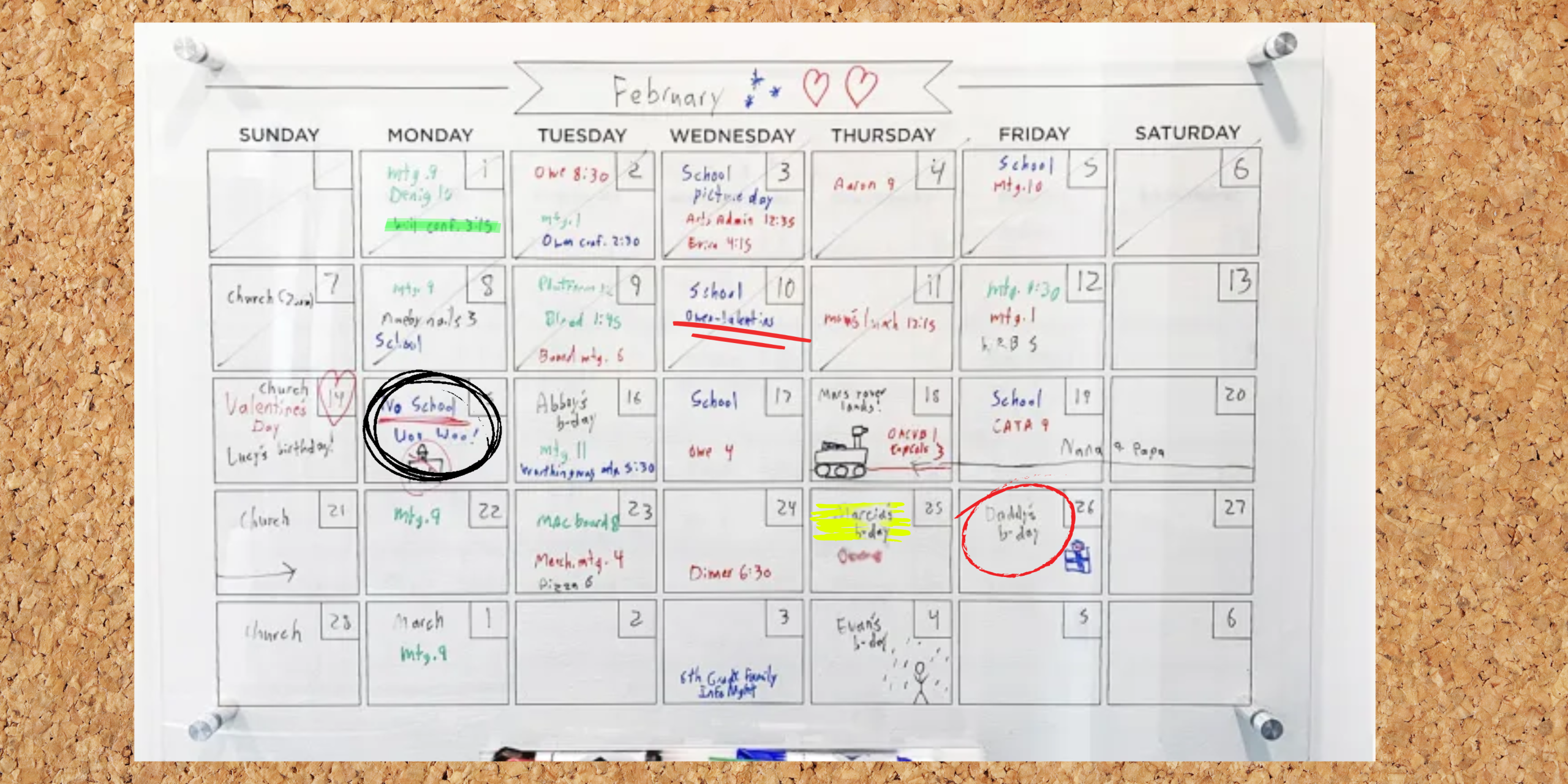
Still managing. Just in a different outfit.
“Chore” is a dirty word (no wonder no one wants to do them)
“Chore” is one of those words that carries emotional baggage.
Right up there with help.
When something is labelled a “chore”, it automatically implies:
• it’s annoying
• it’s unpleasant
• it’s something nobody actually wants to do
• and it’s something Mum doesn’t want either
So what kids learn very early is this:
“Chores are terrible. Mum is making me do them. I should avoid them if possible.”
That’s not responsibility.
That’s resentment.
It teaches kids to associate contribution with punishment…
not pride, ownership or belonging.
Chore charts don’t teach responsibility – they teach compliance
Chore charts aren’t actually about responsibility.
They’re about control.
They rely on:
external motivation
monitoring
consequences
rewards
and pressure
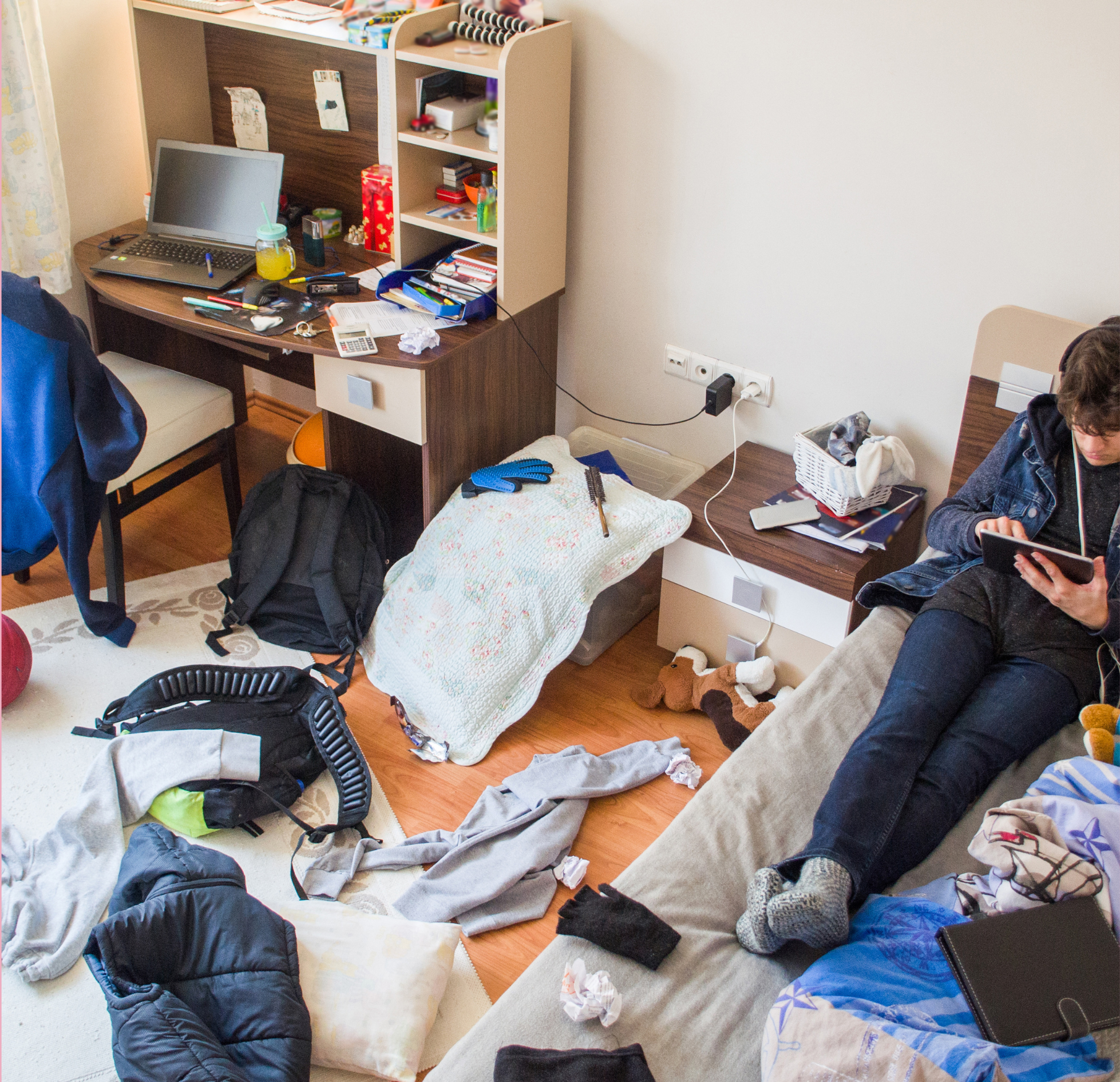
Responsibility grows from ownership, not pressure.
Which works… briefly.
Psychology has known this for decades.
When people are rewarded or punished into behaviour:
they comply short-term
and disconnect long-term
It’s called the Overjustification Effect – when reward becomes the reason you do something, internal motivation collapses.
In plain language:
The more you bribe someone to care…
the less they actually care.
And this is where it really hurts families.
Because what kids end up learning is:
“I do my chores when Mum is watching.”
“I do my chores so I avoid trouble.”
“I do my chores for points, money or prizes.”
Not:
“I contribute because this is my household too.”
“I belong here.”
“I matter here.”
“I’m capable.”
Your kids aren’t lazy – your system is training them to wait
Most chore charts quietly reinforce one message:
Mum is the boss.
Mum is the manager.
Mum is the default.
Which means…
Nothing truly belongs to the kids.
Nothing is naturally owned by your partner.
Everything returns to you.
Even when a task is “assigned”…
You still:
remember it exists
follow up
notice when it’s not done
repair when it’s done badly
and explain again
That’s not shared responsibility.
That’s you carrying the household in a different outfit.
The research agrees: responsibility doesn’t grow in control systems
There’s a huge body of research around something called Self-Determination Theory, which shows that people develop motivation and responsibility best when three needs are met:
Autonomy – I have choice
Competence – I feel capable
Connection – I belong
Chore charts break all three.
They remove choice.
They reduce trust.
They send the message that “helping” is transactional.
What builds responsibility instead?
Identity.
Agency.
Belonging.
Competence.
Responsibility isn’t trained with stickers.
It’s grown through relationship and culture.
So what actually works instead?

You’re not broken. You were just sold the wrong solution.
Not another system.
A shift in culture.
Away from:
charts
bribes
threats
micromanaging
Towards:
shared ownership
curiosity (instead of control)
capability
identity
This means moving from:
“My kids help me”
to
“This is our household”
From:
“I assign”
to
“We own”
From:
“I remind”
to
“They notice”
From:
“I manage”
to
“We run this together”
It’s not louder.
It’s not stricter.
It’s not more explaining.
It’s a fundamental change in how responsibility lives inside the family.
So what actually works instead?
If you’ve ever thought:
“I just didn’t stick to it enough…”
or
“I must be doing it wrong…”
Please hear this:
You weren’t failing.
You were trying to build a shared household with a tool designed for obedience — not empowerment.
No wonder it didn’t stick.
The good news?
Once you stop trying to manage your family…
You can finally start building one.
One where:
• responsibility lives in more than one head
• kids grow into capable contributors
• partners stop defaulting to you
• and you can step out of Household Google mode for good
And that’s where the real relief begins.

Want more practical ideas for what to do instead?
If this post made something click and you’d love gentle, practical ways to build shared responsibility (without charts, bribes or burnout), I’d love to keep in touch.
My newsletter is where I share:
• real household shifts
• simple mindset flips
• and ways to stop carrying everything alone
Pop your email in below ↓